
What is Musculoskeletal embolisation (MSK Embolisation)?
Musculoskeletal pain is pain that comes from the body’s muscles, joints, tendons, ligaments, or bones. It is very common and can be caused by injury, overuse, arthritis, or long-term inflammation. People often experience it as aching, stiffness, or pain with movement, and it can make everyday activities such as walking, working, or sleeping difficult—especially when the pain becomes long-standing. Most patients improve with rest, pain killers, physiotherapy but in some patients the pain can be debilitating.
Embolisation is a minimally invasive treatment used to help reduce this type of ongoing pain. Using live X-ray guidance, a specialist doctor passes a very thin tube through a blood vessel to the area causing pain and carefully treats tiny abnormal blood vessels that are keeping the inflammation active. By reducing this abnormal blood flow, embolisation can help calm inflammation and provide long term pain relief, without the need for surgery.
Conditions that MSK embolisation is used to treat include:
MSK embolisation is used for a range of joint and tendon problems linked with chronic pain and inflammation.
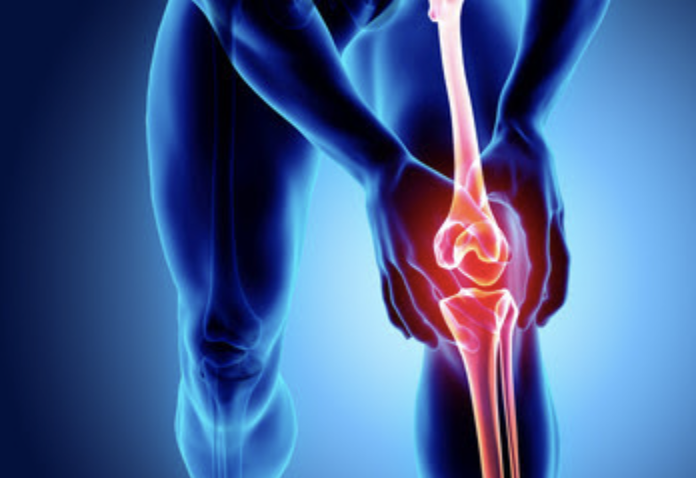
Knee osteoarthritis: Knee osteoarthritis is a common condition where the cushioning cartilage in the knee joint gradually wears down, leading to pain, stiffness, and reduced movement. This is the most common condition treated with this technique, particularly in people with early to moderate arthritis. The procedure, called genicular artery embolisation (GAE), works by treating tiny abnormal blood vessels inside the knee that contribute to inflammation and pain. By reducing this blood flow, it can help ease pain and make movement more comfortable.
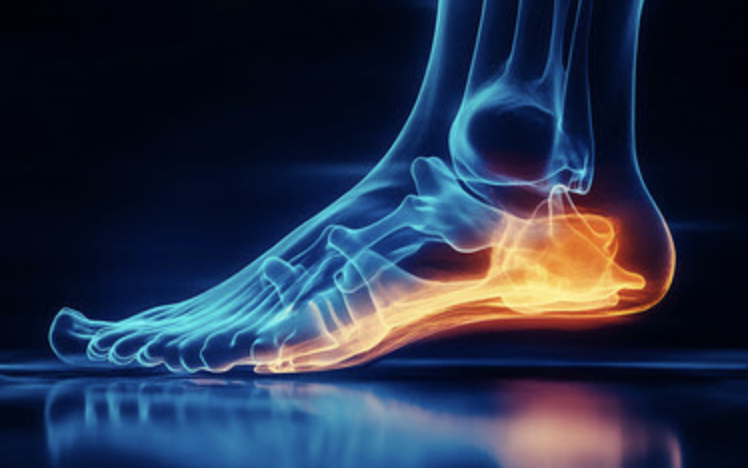
Plantar fasciitis: Plantar fasciitis is a common cause of heel pain, where the thick band of tissue on the bottom of the foot becomes irritated and painful, especially when taking the first steps in the morning or after rest. In embolisation treatment, tiny abnormal blood vessels linked to ongoing inflammation in the heel are carefully treated. By reducing this abnormal blood flow, the procedure aims to calm inflammation and help relieve long-standing heel pain when other treatments have not worked.
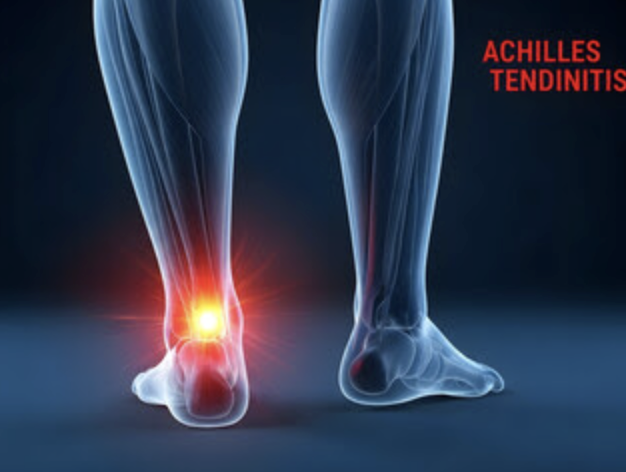
Achilles tendinopathy: Achilles tendinopathy is a condition where the large tendon at the back of the ankle becomes painful and stiff, often due to overuse or repeated strain. People may notice soreness when walking, climbing stairs, or first thing in the morning. It can often occur alongside plantar fasciitis, as both conditions affect how the foot and ankle handle load and movement.
With embolisation treatment, tiny abnormal blood vessels that keep the tendon irritated are carefully targeted. By reducing this unwanted blood flow, the aim is to settle inflammation, ease pain, and help people return more comfortably to everyday activities and exercise—especially when symptoms have been present for a long time.
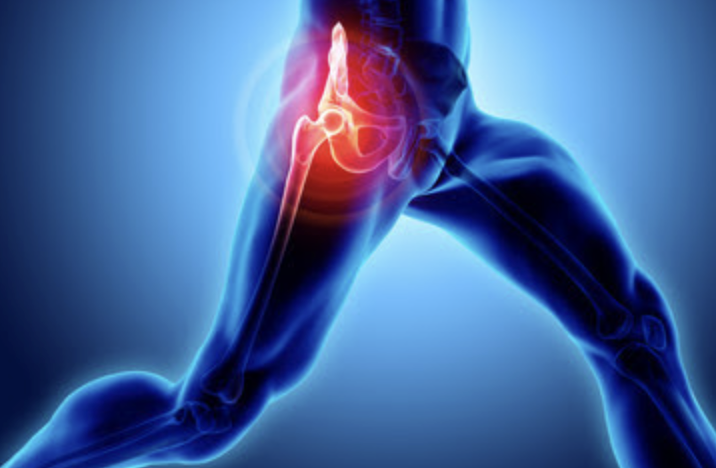
Greater trochanteric pain syndrome: Greater trochanteric pain syndrome is a common cause of pain on the outside of the hip. It often develops when the tendons and soft tissues around the hip become irritated or overloaded, leading to aching pain that can worsen with walking, climbing stairs, or lying on the affected side at night. Many people find it frustrating, as the pain can interfere with sleep and everyday movement.
With embolisation treatment, tiny abnormal blood vessels linked to ongoing inflammation around the hip are carefully targeted. By reducing this abnormal blood flow, the aim is to calm inflammation, relieve pain, and help people move more comfortably again—particularly when symptoms have not improved with standard treatments.
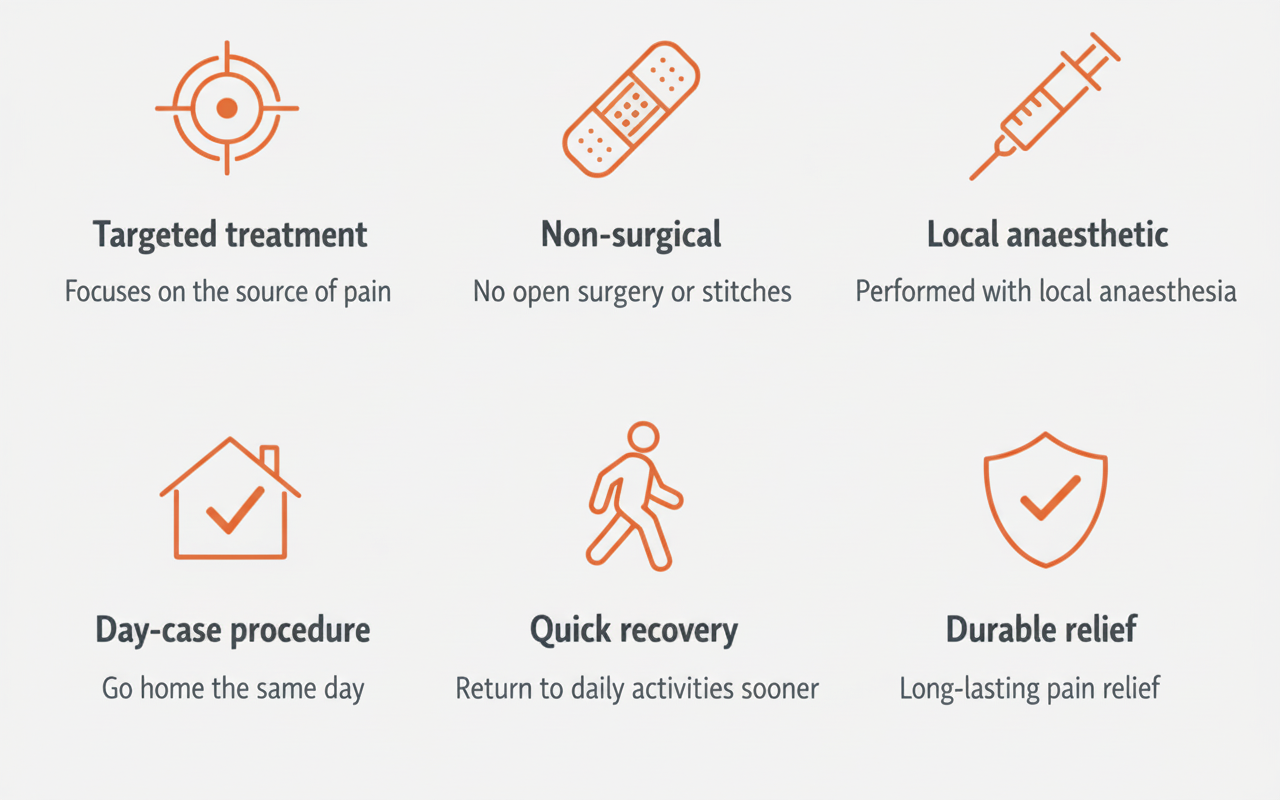
Benefits of MSK Embolisation
How MSK embolisation works
The procedure begins with a small nick in the skin, through which a microcatheter is inserted into the artery supplying the affected joint or tendon. A dye is then injected to highlight abnormal blood vessels, followed by the infusion of tiny particles to block these vessels and reduce inflammation.
What are the benefits of MSK Embolisation?
MSK embolisation can help relieve chronic pain by reducing synovial inflammation the process that drives long-term joint discomfort.
Other key benefits include:
- Minimally invasive: The procedure avoids major surgery.
- Outpatient procedure: Typically performed without an overnight hospital stay.
- Quick recovery: Most patients return to normal activities rapidly.
- Targeted pain relief: Focuses treatment precisely on the affected area.
Long-lasting results: Can provide sustained improvement in pain and function.
What are the risks of MSK Embolisation?
As with any medical procedure, MSK embolisation carries some risks. These may include:
- Allergic reaction to the dye or materials used
- Bleeding at the catheter insertion site
- Infection at the catheter site
- Lack of improvement or failure of the procedure to relieve pain
Why have the procedure?
Musculoskeletal embolisation has emerged as a treatment for chronic joint pain as understanding of the underlying inflammatory processes has advanced. Research shows that chronic joint pain often involves a cycle of inflammation and increased blood vessel growth (synovial hypervascularity), which stimulates new pain-sensing nerve fibres. Embolisation targets this abnormal blood vessel growth, helping to interrupt the inflammatory cycle and provide pain relief.
The standard approach to chronic joint pain follows a stepwise treatment pathway, including exercise, self-management programmes, medications, injections, and, if necessary, surgery. MSK embolisation offers a minimally invasive alternative before surgical options are considered.
- Genicular artery embolisation (GAE):
GAE, which treats abnormal blood vessels around the knee, is the most widely studied MSK embolisation procedure. This reflects the high global prevalence of knee osteoarthritis. Multiple prospective studies support its use, although results from randomised controlled trials comparing GAE to sham procedures have been mixed.
- Other applications:
Embolisation is increasingly being used beyond the knee, including:
- Shoulder: Adhesive capsulitis or secondary stiff shoulder
- Elbow: Medial or lateral epicondylitis (tennis or golfer’s elbow)
- Hip: Osteoarthritis and greater trochanteric pain syndrome
- Ankle: Chronic plantar fasciitis
This makes MSK embolisation a versatile, minimally invasive option for managing chronic pain in various joints and tendons.